
Why I Wrote Gaza Diary: A Story of a Pen, a Voice of Conscience – Shahab Khan
 by Shahab Khan Author Gaza Diary · 7 min read · September 20, 2026
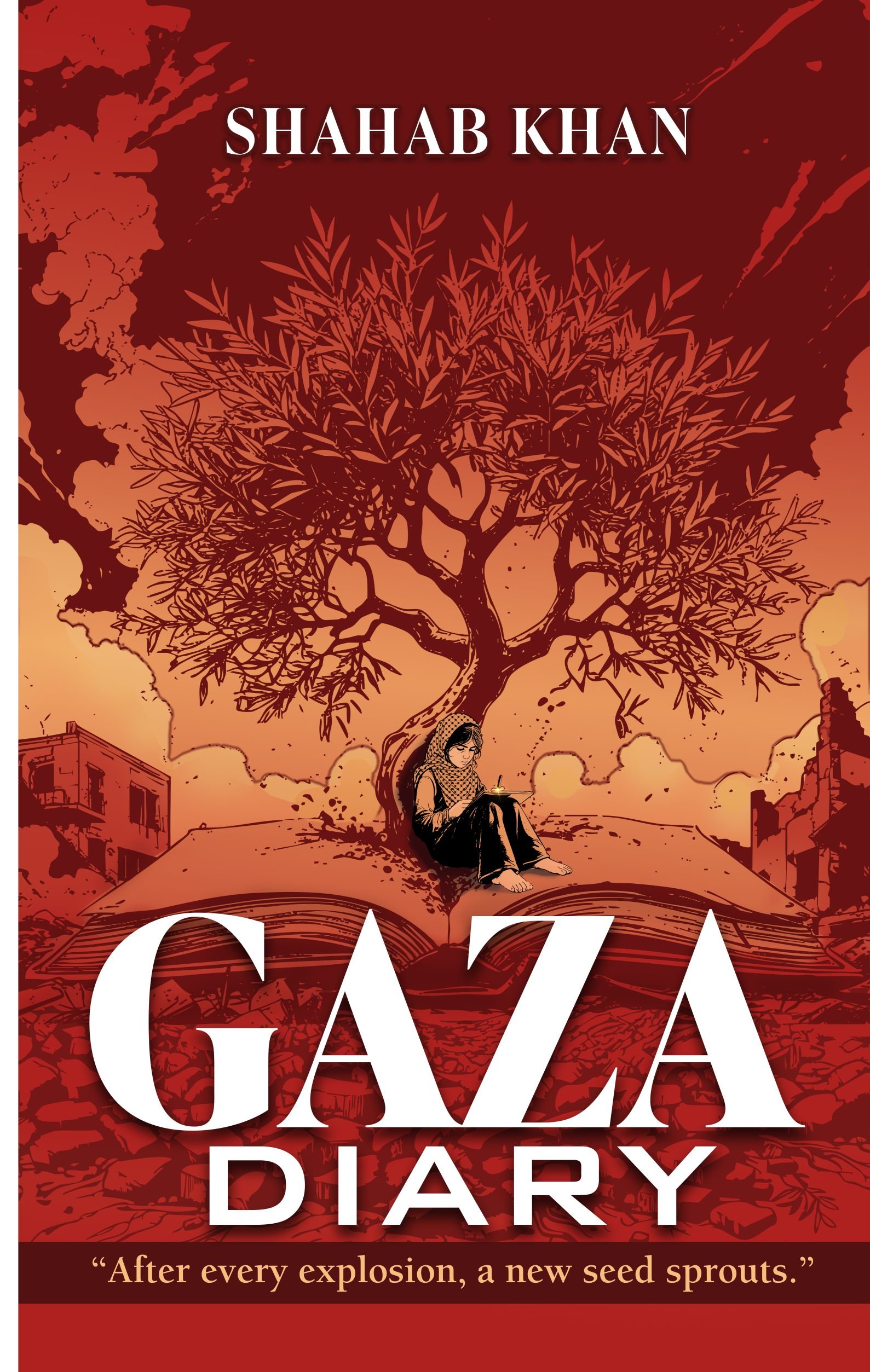
In Gaza Diary, Gaza is not just a
background. It is part of the story, its soul. When I laid the foundation of
this book, I first understood that Gaza is not just the name of a place, but
the atmosphere where Mariam and her family breathe, struggle, and lose
something new every day.
The history of Gaza cannot be read
just in headlines. The story of the lives of the people there, of war,
identity, land, and human rights, does not fit on a newspaper page. I wrote
this book so that all this does not remain just statistics. When someone says
"children were killed", the empty lap of a mother, the dried eyes of
a father, that doesn't show up in statistics. I wanted to show that.
Some books are not written, they write themselves. Gaza Diary is that book for me. This story is not something
carved out sitting at a desk, it came from a pain that pricked my chest for
months, that wouldn't let me sleep at night. When I saw the extremity of
cruelty on the people of Palestine, on innocent children, my heart would ache.
When I read the details of the murder of innocent Hind Rajab, it felt like
something inside me had broken. What was written after that was not just a
story, it became a responsibility.
This story is not just a collection
of words, but a voice of the realities that roar against the oppression,
injustice, and human suffering in Palestine. This tale that emerged from the
depths of my heart is the story of those innocent children whose innocence is
being paid for today. When I remember those innocent faces, whose laughter was
stolen by bombs, my heart breaks.
The story that came out of a headline, Hind Rajab
Hind Rajab. A five-year-old girl. On
the morning of January 29, 2024, when she was leaving Gaza City with her
family, bullets rained on their car. Hind survived, but got trapped inside the
car, among the bodies of her family. She called the Palestinian Red Crescent
Society, begged for help. She remained trapped in the car for hours. The two
paramedics who went to save her also became martyrs. After twelve days, all the
bodies were found.
This is not just an incident. This
was the spark that forced me to write. I thought, if I stay silent, what
difference will it make? None. But if I write, maybe even one person will stop
after reading this story, will think. That is enough.
The memory of Hind Rajab teaches us
that whenever humanity is attacked, we must raise our voice. Her innocence, her
helplessness, and her death, all this is a stain on our conscience that will
never be erased.
“A diary written in pain, but filled with hope for a better tomorrow.
Here it is necessary to clarify one
thing. Gaza Diary is not a newspaper report. It is a fiction, a story whose
roots are in real events, but which has been carved with emotional freedom.
Mariam, her diary, her family, these are all characters in the story, but the
root of their pain is real. I read news of Palestine for months, dug through
reports, listened to people's stories. Then I gave them a human shape through
Mariam's diary.
My aim was not to write a research
book. My aim was that the pain that gets condensed in a headline reaches
someone's heart. The purpose of writing this story is to expose those hidden
truths that often go unheard.
What this book is and what it is not
This book has many layers. Children,
who are the biggest victims of this war, whose deaths, wounds, fear, and
homelessness are the most painful aspect of this whole issue. Homelessness,
families who had to leave their homes again and again, who were forced to take
refuge in camps and schools. Food and basic needs, where bread, water, medicine
all became a dream. And health, where hospitals themselves turned into rubble,
and doctors, nurses, patients all live in danger.
I wrote all this from the characters'
voices. Through Mariam's diary. So that the reader doesn't feel they are
reading news, but feels they are peeking into someone's life.
In the pages of this book, there is
not just pain, but also a message. In struggle, in despair, the light of a
dream remains. The soil of Palestine, the broken walls of Gaza, and the
helpless smiles of its children, all these together are part of that voice that
tells the world that the courage of humanity has no limits.
A request to you, don't just read, feel
In these painful times, I appeal to
all of you that you not only read these stories, but also feel them. Come, let
us all raise our voice for those innocents, whose sacrifices should always be
remembered. Your every voice, your every step can help create new hope for
justice and freedom for those children.
Feel every pain, every sigh hidden in
this story and spread your message of sympathy and solidarity against the
oppression happening in Palestine. Your voice can become a light for those
innocent hearts that have drowned in darkness.
It is a request to you, don't let
these stories remain limited to a book. If this book has touched your heart,
then pass it on to more people. Tell it to every child who may have lost hope,
or tell that friend who found courage in their sorrows. Share your opinion on
social media, debate, so that the truth of these stories can reach every child
and adult in the world.
And most importantly, don't remain
silent. Wherever you are, in whatever field you are, keep raising your voice
for the freedom of Palestine. Support those who are raising their voice all
over the world to expose Zionist propaganda, whether through processions and
rallies, through articles, through social media.
Why I wrote this book, one last thing
I wrote this book because I couldn't
stay silent. I wrote this book because when Hind Rajab called for help, the
world heard, but didn't answer. I wrote this book because I felt that if I
could connect even one person to this story, then maybe they would see faces
instead of statistics, see lives instead of headlines.
This book is not to change anyone. It
is only to remind that war is not just of land, it is also of humanity. And as
long as one child is trapped among the bodies of their family, calling for
help, we cannot sit silent.
I wrote, because I had to write. And
perhaps you should read, because this story is not just mine, it is of all
those who are in Gaza, who are no more, and who will remain tomorrow. For their
land, their identity, their rights.
 Shahab Khan Author Gaza DiaryPalestine Archive & Editorial Journal
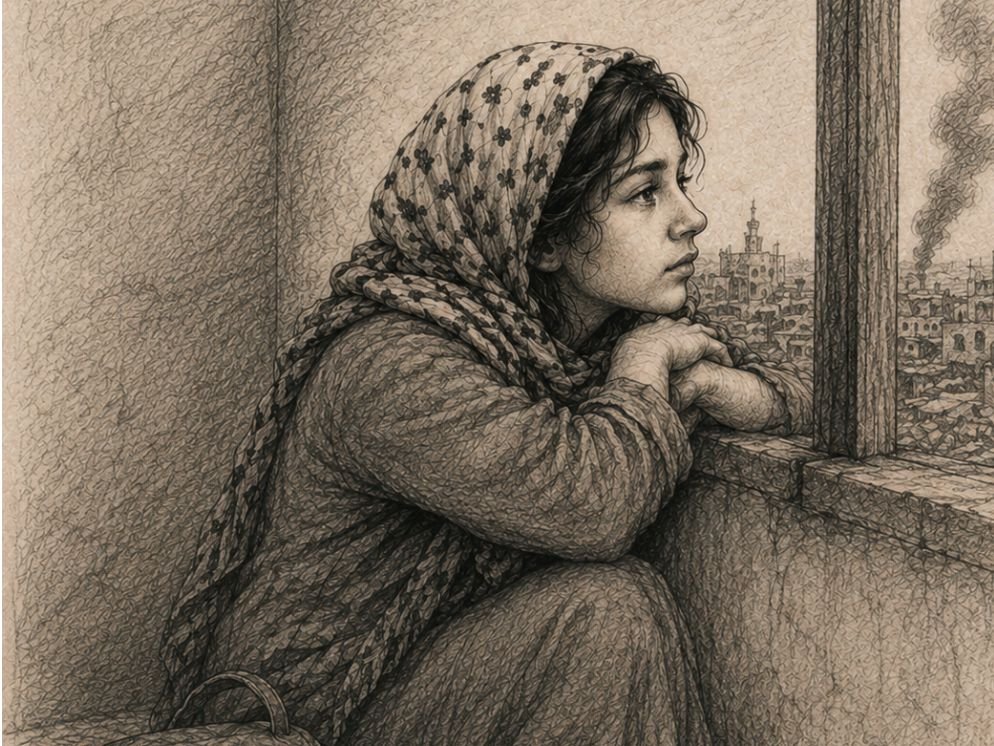
Behind Gaza’s Broken Walls: The Helpless Smiles of Children
Just imagine a place where every child's morning starts with the question: will I be alive by evening? This is Gaza. This is the story of their helpless smiles.