
A small boat carrying a very large question.
They knew the journey was dangerous. They knew they could be stopped. They also knew that simply watching Gaza suffer from a distance was no longer enough for them.
The Madleen was part of the Freedom Flotilla Coalition’s long-running effort to challenge the blockade of Gaza and draw international attention to the humanitarian crisis.
The vessel sailed from Catania, Sicily, on 1 June 2025. According to the Freedom Flotilla Coalition, it carried food, baby formula, medical supplies, crutches, children’s prosthetics and other humanitarian items.
Gaza was not asking the world for another speech.
The Freedom Flotilla movement grew from a simple idea: if governments would not create a humanitarian sea corridor to Gaza, ordinary people would try to create one themselves.
The Madleen mission was not designed to solve Gaza’s humanitarian crisis with a small boat. The crew knew that the amount of aid aboard could never meet the enormous scale of need.
The mission was also a political act of civil resistance. It was intended to challenge the blockade, bring attention to restrictions on humanitarian assistance and force the world to look at what was happening to Palestinians in Gaza.
Amnesty International described the crew as unarmed human rights defenders on a humanitarian mission and argued that Israel’s interception and detention of them violated international law.
Humanitarian Aid
The Madleen carried baby formula, food, medical supplies, crutches, children’s prosthetics and other essential items intended for Palestinians in Gaza.
Human Solidarity
The people aboard came from different countries and backgrounds but shared a refusal to remain silent about Gaza.
A Sea Corridor
The journey challenged the idea that humanitarian access to Gaza should depend entirely on the permission of the occupying power.

Before Madleen, there was Conscience.
The previous attempt
In early May 2025, the Freedom Flotilla Coalition had prepared another vessel, Conscience, to sail toward Gaza. Volunteers from more than 21 countries had gathered in Malta with humanitarian aid.
On 2 May, the FFC reported that the vessel was struck twice by drones while in international waters near Malta. The coalition said the attacks caused a fire, a major breach in the hull and injuries to four civilians aboard.
Responsibility for the attack was disputed. The FFC alleged Israeli involvement, while the coalition said there was no independent investigation that settled the question.
FFC mission recordWhy Madleen followed
The failure of Conscience did not end the campaign. Instead, it became part of the immediate context for Madleen, which was launched from Catania on 1 June.
The FFC presented Madleen as a nonviolent civil-resistance mission. The crew sailed unarmed, carrying a modest amount of humanitarian supplies while trying to challenge the blockade and keep international attention on Gaza.
The story of Madleen therefore begins before the boat left Sicily. It begins with a movement that kept sailing after an earlier mission was damaged.
Across the Mediterranean, hope travelled with them.
Departure from Sicily
Madleen left Catania, Sicily, carrying 11 volunteers and one journalist. The destination was Gaza.
Drones, surveillance and uncertainty
The crew continued toward Gaza while reporting surveillance and increasing danger. The Freedom Flotilla Coalition said drones had approached and monitored the vessel during the voyage.
A rescue at sea
While sailing toward Gaza, the crew responded to a distress situation involving migrants in the Mediterranean. The incident demonstrated that the people aboard Madleen were not only carrying aid. They were also acting according to a broader humanitarian principle.
The final approach
Israeli naval forces intercepted Madleen in international waters. The 12 people aboard were taken into Israeli custody.
Detention and deportation
Some passengers were deported quickly. Others remained detained and appeared before an Israeli detention review process. By 16 June, the final three detainees had been released and were travelling home.
The Madleen was stopped in the middle of the night.
At approximately 3:02 am CET on 9 June, Israeli naval forces intercepted Madleen in international waters, according to Amnesty International and the Freedom Flotilla Coalition.
The operation took place far from the coast. The crew was unarmed. The vessel was carrying humanitarian supplies.
Israeli forces boarded the vessel and took all 12 people into custody. The Madleen was then brought toward Israel.
Amnesty International argued that the interception, detention and confiscation of the aid had no lawful basis and that the operation endangered the civilians aboard.
The central issue was not simply that a boat was stopped. It was that civilians attempting to deliver humanitarian assistance to Gaza were intercepted at sea, detained and prevented from completing their journey.
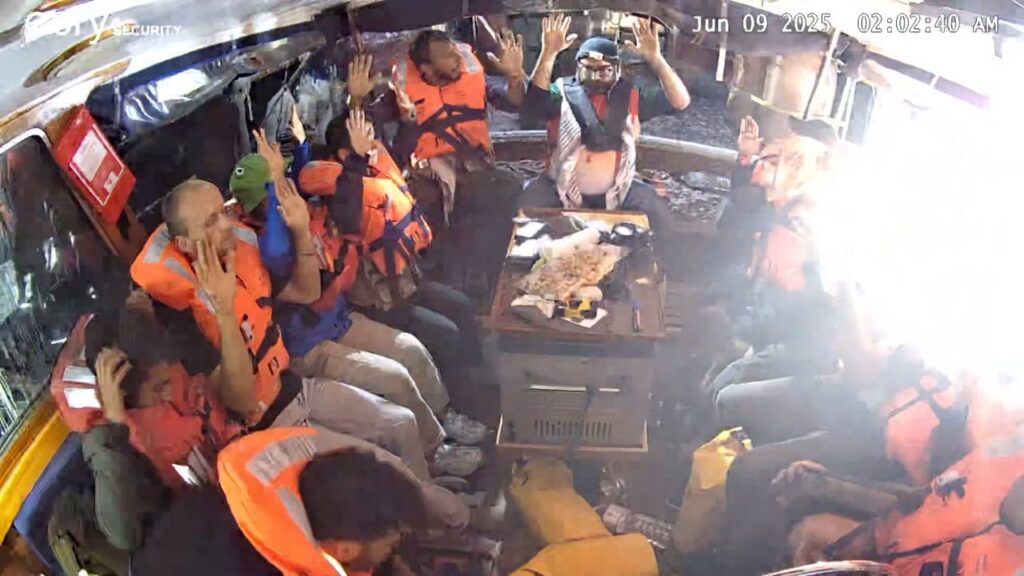
The interception became the defining image of the Madleen mission.
The Freedom Flotilla Coalition described the operation as a forced seizure of a civilian vessel and the abduction of its passengers. Amnesty International separately stated that the interception occurred in international waters and raised serious concerns about its legality.
What happened after they were taken?
The 12 passengers were taken to Israel after the interception. Four were initially deported while eight remained in detention.
According to the Freedom Flotilla Coalition and Adalah, those detained were brought before an Israeli detention review tribunal. The legal team argued that the people had not voluntarily entered Israel and that their detention was arbitrary.
The coalition also reported that detainees were given a choice between signing deportation documents or remaining in detention while challenging their detention before a tribunal.
By 16 June, all 12 Madleen volunteers were out of Israeli detention and travelling home.
Detention was not the end of the story.
What detainees and legal representatives reported
Adalah, which represented members of the Madleen group, reported serious detention conditions.
- Bed bugs were reported in detention facilities.
- Detainees reported problems with drinking water.
- Two volunteers were reported to have been placed in solitary confinement.
- Thiago Ávila began a hunger and water strike according to detention updates.
- Activists described aggressive and punitive treatment.
Why these reports matter
These were not people arrested after entering a country through a normal border crossing. They were civilians taken from a boat during an international sea voyage and brought into Israeli custody.
Amnesty International called for their immediate and unconditional release and urged that they be protected from torture and other ill-treatment while detained.
For Greta Thunberg, Gaza became a question of human responsibility.
Her reason for joining
Greta Thunberg joined Madleen alongside eleven other people aboard the civilian vessel. Her presence brought exceptional international attention to a mission that the Freedom Flotilla Coalition described as peaceful civil resistance.
At the departure, Thunberg said the world could not remain silent in the face of what she described as systematic starvation in Gaza. She framed participation as a moral responsibility rather than a symbolic celebrity appearance.
After the interception
In a video released before the interception, Thunberg said the crew had been intercepted in international waters and urged people to pressure the Swedish government to secure the release of those aboard.
Reuters reported that Thunberg later described her treatment as dehumanising. These statements are part of the documented record of how the participants themselves described the operation and its aftermath.
Reuters · 10 June 2025Twelve were detained. The outcome came in stages.
12 taken into custody
All twelve people aboard Madleen were taken into Israeli custody after the interception.
4 deported
Baptiste Andre, Greta Thunberg, Sergio Toribio and Omar Faiad were reported deported.
8 remained detained
The remaining eight appeared in an Israeli detention review process while lawyers challenged the basis of their detention.
All 12 out
Marco van Rennes, Pascal Maurieras and Yanis Mhamdi were the final three released. All twelve were then on their way home.
Twelve people. Twelve stories.
They came from different countries, professions and backgrounds. What united them was their decision to sail toward Gaza.
Greta Thunberg
Greta Thunberg joined the Madleen as one of its most internationally recognised participants. Her involvement brought enormous global attention to the mission and to the humanitarian situation in Gaza.
During the journey, she spoke publicly about starvation in Gaza and the responsibility of people outside the region to refuse silence.
After the interception, Greta was detained and subsequently deported from Israel. She later described the detention and interception in strong terms and said she had been taken from international waters.
Source / Further reading.jpg)
Rima Hassan
Rima Hassan was one of the most prominent political figures aboard Madleen. She joined the mission as a French-Palestinian voice for Palestinian rights and humanitarian access to Gaza.
Before and during the mission, she argued that humanitarian access could not be separated from the political reality of the blockade and siege.
She was among those detained after the interception. Adalah later reported that she was one of the volunteers subjected to solitary confinement.
Source / Detention update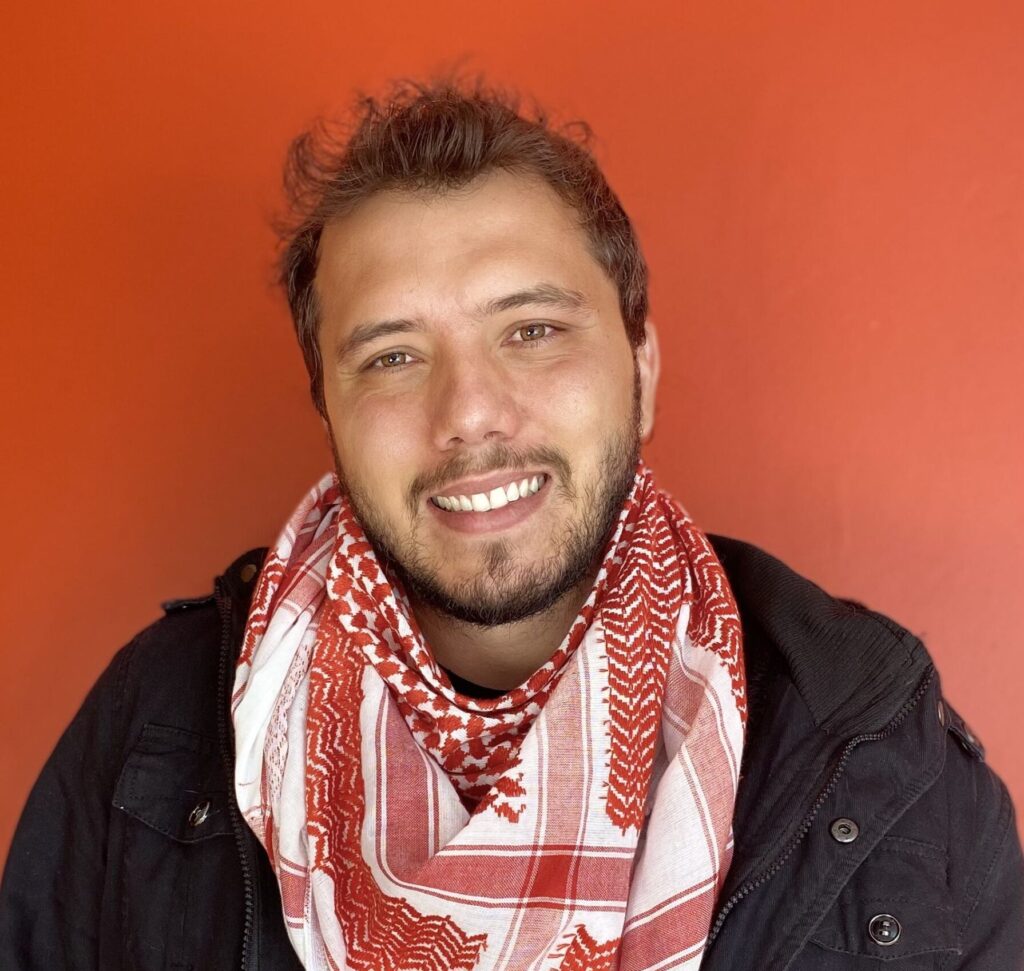
Thiago Ávila
Thiago Ávila is a Brazilian activist, communicator and socio-environmentalist who has worked for years on Palestine solidarity and humanitarian missions.
He has been involved with Freedom Flotilla initiatives and efforts to establish humanitarian access to Gaza.
After Madleen was intercepted, Thiago was detained by Israeli authorities. During detention, the Freedom Flotilla Coalition reported that he began a hunger and water strike.
Official profile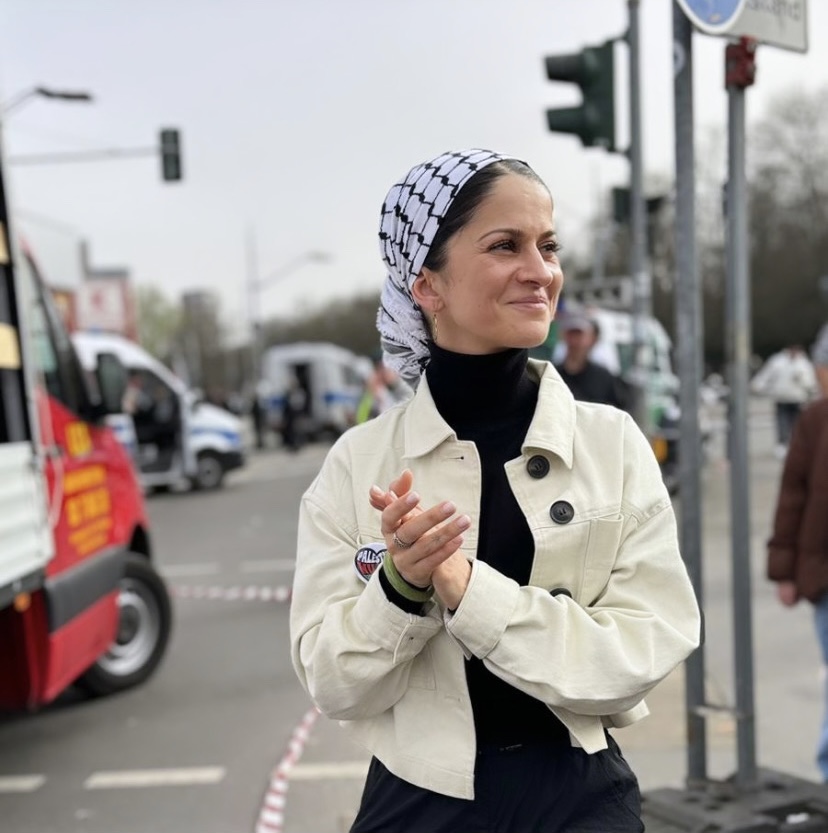
Yasemin Acar
Yasemin Acar is a German activist who has worked on refugee rights, human rights and social justice for many years.
She has organised demonstrations and direct actions and has been a vocal advocate for Palestine.
Yasemin was aboard Madleen and later detained after the Israeli interception. She was also among the participants whose SOS message was published during the interception.
Official profile
Yanis Mhamdi
Yanis Mhamdi is a French journalist-director known for investigative and independent reporting.
His work has focused on political and social subjects that receive limited attention in mainstream media.
Yanis was among the final three Madleen volunteers held in Israeli detention. He was released on 16 June 2025 and began travelling home through Jordan.
Official profile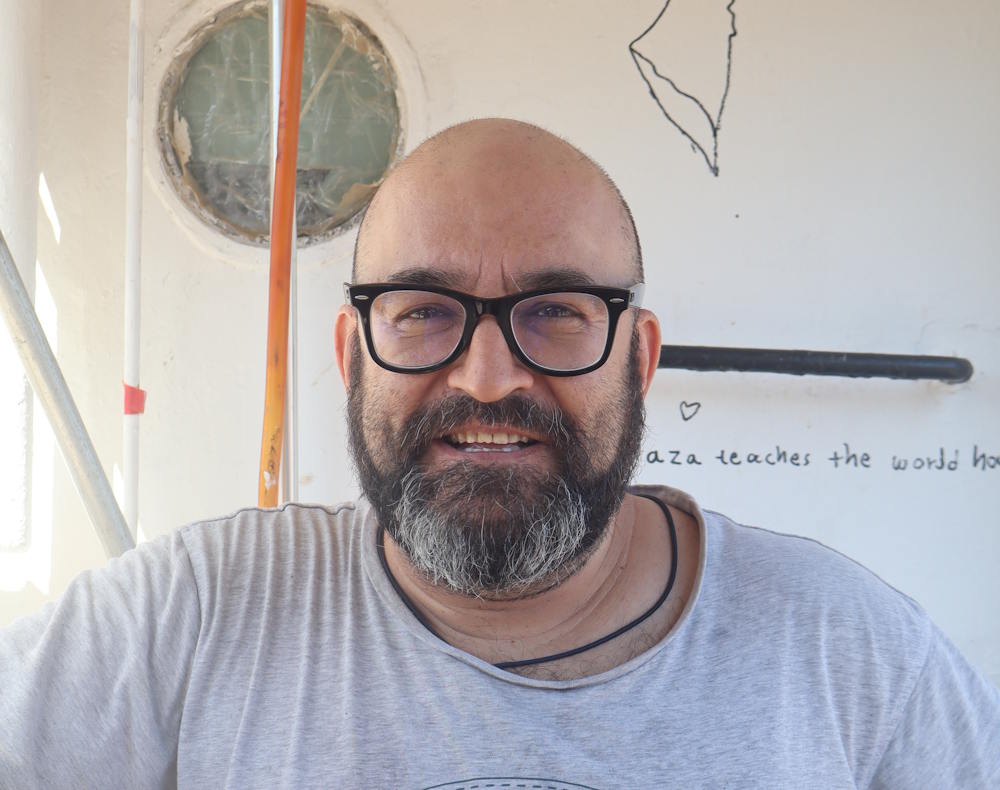
Sergio Toribio
Sergio Toribio is a Spanish marine engineer and human rights defender. He volunteered aboard Madleen as part of the civilian mission to Gaza.
He was among the first group of Madleen participants to be deported after the interception.
After the mission, Sergio continued his involvement with Freedom Flotilla activities and later returned to sea aboard Handala.
Official profile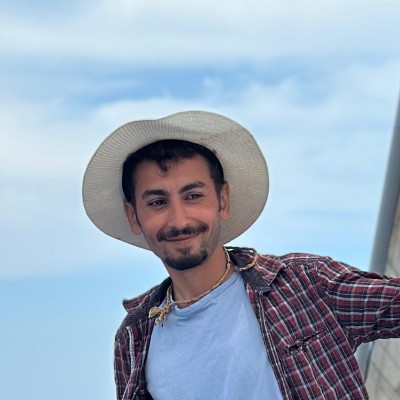
Şuayb Ordu
Şuayb Ordu was one of the international volunteers aboard Madleen.
He was taken into Israeli custody after the vessel was intercepted and was among the eight people who remained detained after the first deportations.
His SOS message was also published by the Freedom Flotilla Coalition during the interception.
Madleen SOS messages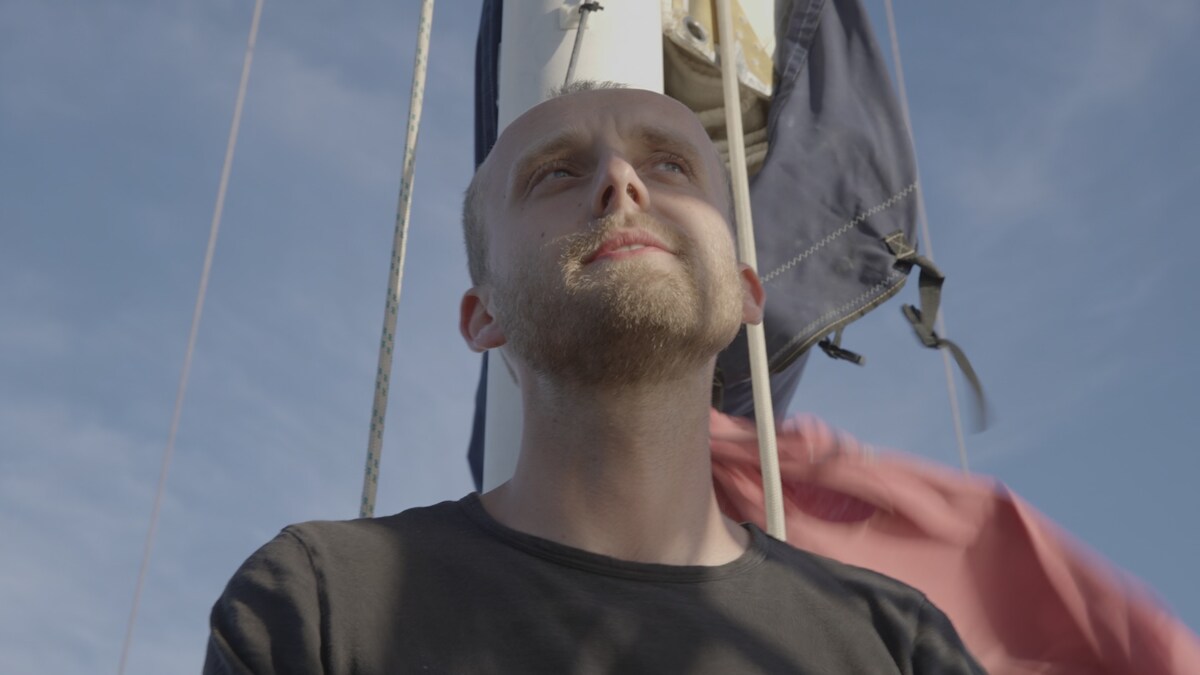
Marco van Rennes
Marco van Rennes was one of the Madleen volunteers detained after the Israeli interception.
Earlier Freedom Flotilla updates spelled his first name as Mark. The coalition’s later release identifies him as Marco van Rennes.
Marco was one of the final three Madleen detainees. He was released on 16 June 2025 and began the journey home through Jordan.
Release update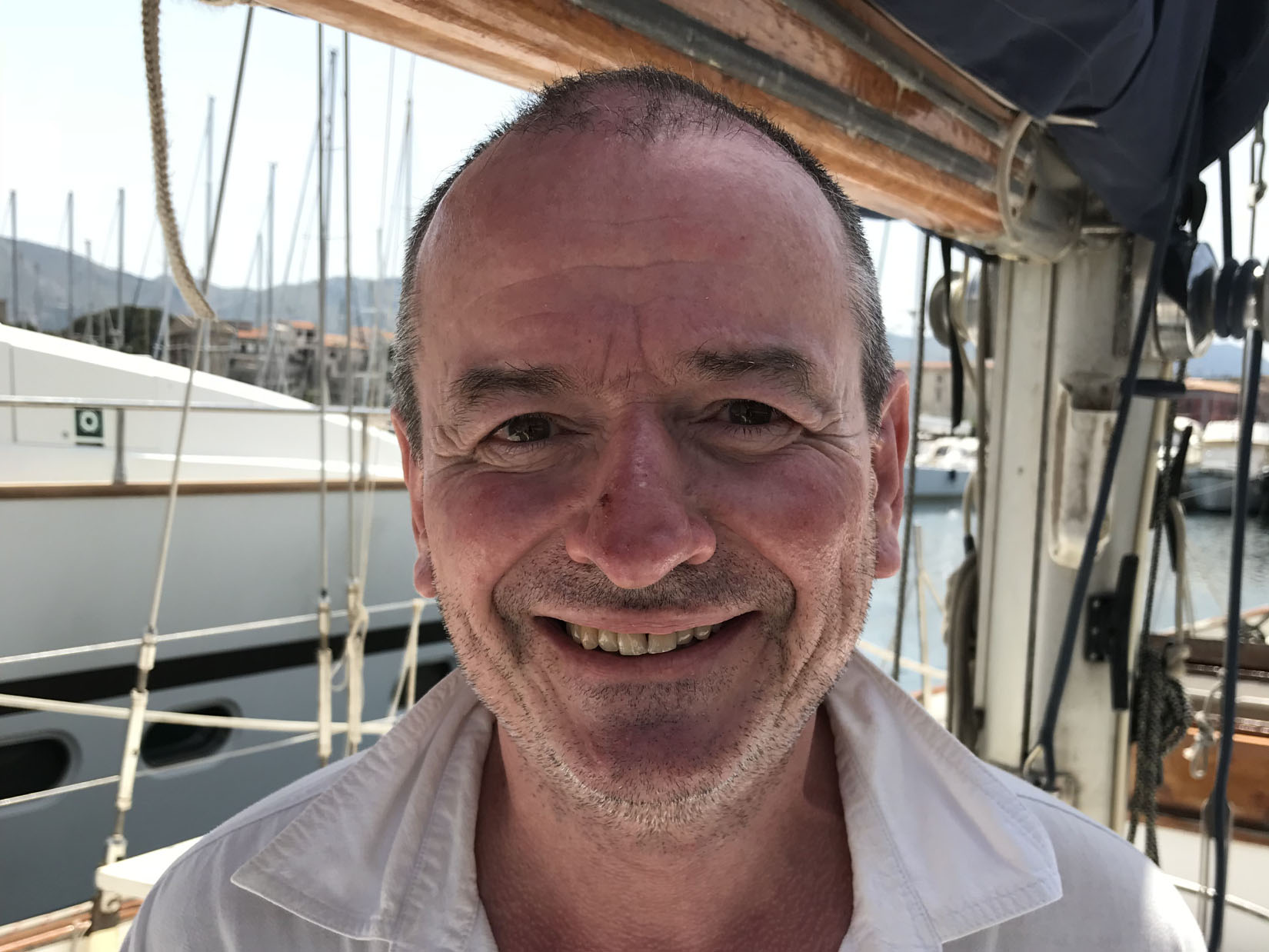
Pascal Maurieras
Pascal Maurieras is a French participant with a long history of involvement in Freedom Flotilla activities.
His participation reflects the longer history of civilian attempts to reach Gaza by sea and challenge the blockade.
Pascal remained in Israeli detention after the first group of Madleen volunteers had been deported. He was released on 16 June 2025.
Earlier official profileReva Viard
Reva Viard was one of the French volunteers aboard Madleen.
She was detained after the vessel was intercepted and was among the participants whose SOS message was published by the Freedom Flotilla Coalition.
Her story forms part of the wider account of civilians who were prevented from completing the humanitarian mission to Gaza.
Madleen SOS messagesBaptiste Andre
Baptiste Andre was one of the French volunteers aboard Madleen.
He was detained following the Israeli interception and was subsequently deported from Israel.
His SOS message was among those published by the Freedom Flotilla Coalition after contact with the boat was disrupted.
Madleen SOS messages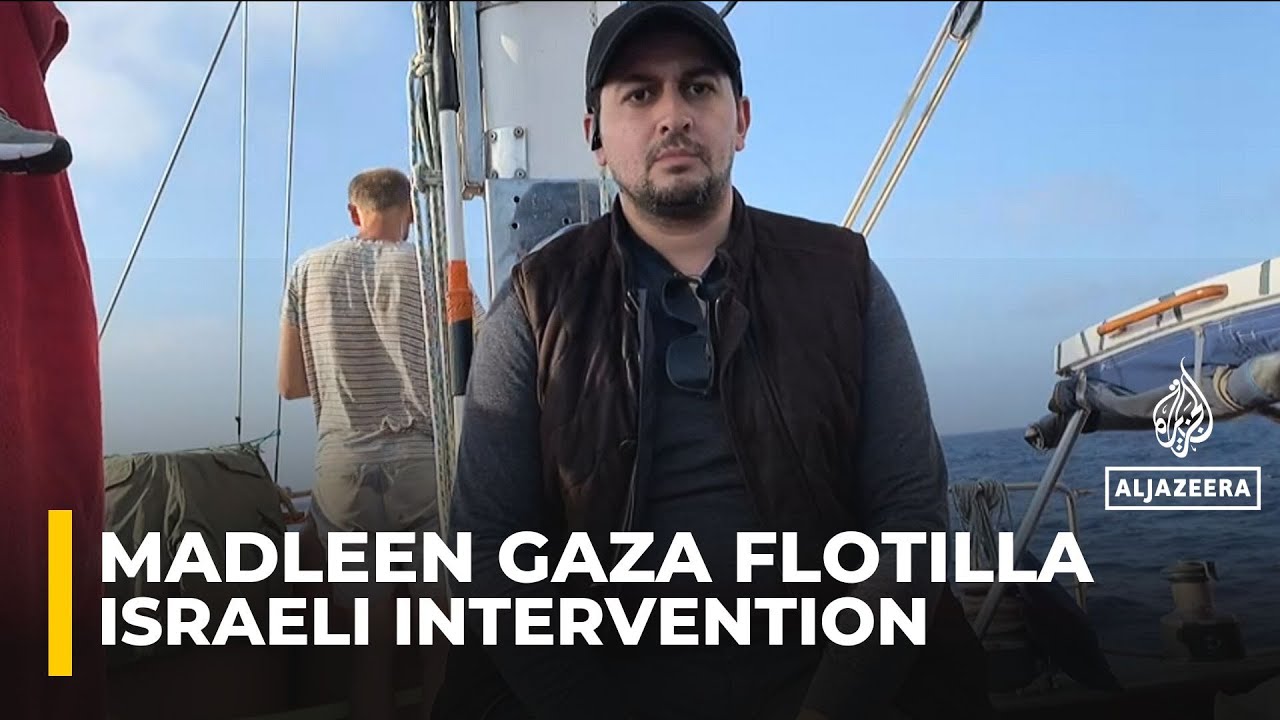
Omar Faiad
Omar Faiad was the journalist aboard Madleen and was represented separately through legal counsel arranged by Al Jazeera.
His presence was significant because the mission was also about documenting what was happening at sea and ensuring that the story could reach the outside world.
Omar was among the four people initially deported following the interception.
Detention updateThey were not allowed to finish the journey.
The Madleen never reached Gaza.
Instead, Israeli naval forces intercepted the vessel, boarded it and took the passengers into custody.
The Freedom Flotilla Coalition described the seizure as an unlawful act against a civilian humanitarian vessel. Amnesty International independently argued that the interception took place in international waters and that the detention lacked a lawful basis.
This is one of the central reasons the Madleen story continues to matter. The question is not simply why twelve people sailed toward Gaza. The question is why a civilian humanitarian mission had to risk interception simply to attempt to deliver aid.
“This ship is not just carrying aid. It is carrying a demand: end the blockade.”Rima Hassan · Madleen Mission
The legal question did not disappear when the boat was taken.
International Waters
Amnesty International stated that Madleen was intercepted in international waters and argued that the operation violated international law. The Freedom Flotilla Coalition made the same central argument in its legal and public statements.
Humanitarian Access
Human rights organisations have repeatedly argued that civilians in Gaza must be able to receive humanitarian assistance and that barriers to humanitarian access raise serious legal concerns.
Detention
Adalah challenged Israel’s treatment of the Madleen passengers as people who had illegally entered Israel, arguing that they had been taken from international waters and transferred against their will.
Not Just a Boat
The legal dispute is ultimately about something much larger: who controls access to Gaza, what protections civilians have at sea, and whether humanitarian action can be criminalised.
The interception quickly became an international dispute.
UN experts
On 2 June, UN human-rights experts had called for safe passage for the flotilla and said the ship had a right to free passage in international waters. They also urged Israel not to interfere with its navigation.
Türkiye
Türkiye’s Foreign Ministry said the intervention against Madleen in international waters was a clear violation of international law and condemned the action.
France
France said six French nationals were aboard and that its consulate was following their situation. French authorities also called for immediate, massive and unhindered humanitarian aid access to Gaza.
Sweden
Sweden’s Foreign Ministry said it was in contact with Israeli authorities and would assess the need for consular support for Greta Thunberg.
United Kingdom
The Madleen was sailing under a UK flag. A UK government spokesperson told Al Jazeera that Israel should handle the detained activists safely and with restraint, in line with international humanitarian law.
Israel’s position
Israeli authorities described the voyage as a publicity stunt and said the small quantity of aid aboard would be transferred through official humanitarian channels. Defence Minister Israel Katz described the mission as propaganda supporting Hamas.
Madleen was not the first boat.
The Freedom Flotilla movement has a long history of attempting to reach Gaza by sea.
One of the most significant moments came in 2010, when Israeli forces intercepted the Mavi Marmara. Ten humanitarian activists were killed during the operation.
Amnesty International’s account of the history of the flotilla notes that a UN investigation found that the deaths were caused by gunshot and that six of those killed were victims of summary executions.
Madleen therefore belongs to a much longer history of civilian attempts to challenge the blockade and draw attention to Gaza. The immediate 2025 context also included the Conscience mission in May, which the FFC said was damaged by a drone attack before Madleen sailed.
The mission failed to reach Gaza. The message reached the world.
The Madleen could not deliver its aid directly to the people it was intended for.
But the mission forced attention onto questions that are often pushed into the background: Gaza’s blockade, humanitarian access, international law, the treatment of civilians at sea and the cost of global silence.
Twelve people chose to put themselves physically between the world and a humanitarian crisis that had become painfully normalised.
Their journey showed that solidarity can be more than a statement. It can mean getting on a boat and sailing toward the place the world is trying not to see.
Madleen, explained.
Madleen was a civilian Freedom Flotilla Coalition vessel that sailed from Sicily toward Gaza in June 2025 carrying humanitarian supplies and international activists.
The 12 people aboard included Greta Thunberg, Rima Hassan, Thiago Ávila, Yasemin Acar, Yanis Mhamdi, Sergio Toribio, Şuayb Ordu, Marco van Rennes, Pascal Maurieras, Reva Viard, Baptiste Andre and Omar Faiad.
Amnesty International and the Freedom Flotilla Coalition reported that Israeli naval forces intercepted Madleen in international waters, roughly 100 nautical miles from Palestinian territorial waters.
All 12 were taken into Israeli custody. Four were deported relatively quickly while eight remained detained. The last three detainees, Marco van Rennes, Pascal Maurieras and Yanis Mhamdi, were released on 16 June 2025.
The Freedom Flotilla Coalition described Madleen as an unarmed civilian vessel and the mission as a nonviolent direct action. Amnesty International likewise described those aboard as unarmed activists and human rights defenders.
No. The vessel was intercepted before it could reach Gaza and the humanitarian supplies aboard were not delivered directly to the intended recipients.
The Boat Was Stopped.
The Question Wasn’t.
What happens when civilians try to carry aid toward a population under siege and are stopped at sea? The Madleen left that question behind for the world to answer.
Meet the Madleen 12